Apple’s New iCube: In a move that feels like it was ripped straight from a sci-fi blockbuster, Apple has reportedly pulled back the curtain on its most experimental project yet: iCube.
While the tech world was busy debating the specs of the newly released iPhone 17e and the ultra-affordable MacBook Neo, a viral “shock” announcement (stemming from recent concept leaks and high-level R&D reports) has introduced a device that finally gives Siri a body.
Table of Contents
It Moves. It Sees. It Feels. Why Apple’s New iCube is the Scariest (and Coolest) Tech of 2026
Here is everything we know about the iCube—the device that turns Apple’s virtual assistant into a physical reality.
What is the iCube?
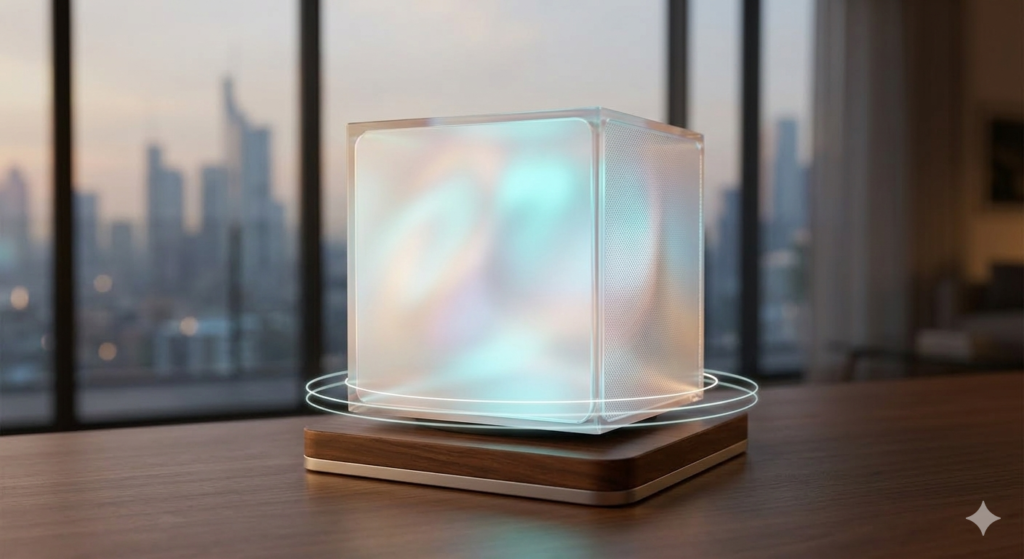
The iCube is being described as Apple’s first “Ambient Robotics” device. Unlike a HomePod, which sits still and listens, the iCube is designed to interact with the physical world. It is a sleek, palm-sized translucent cube that uses a combination of liquid-metal optics and haptic movement to express Siri’s “emotions” and “thoughts.”
Key Features at a Glance
| Feature | Description |
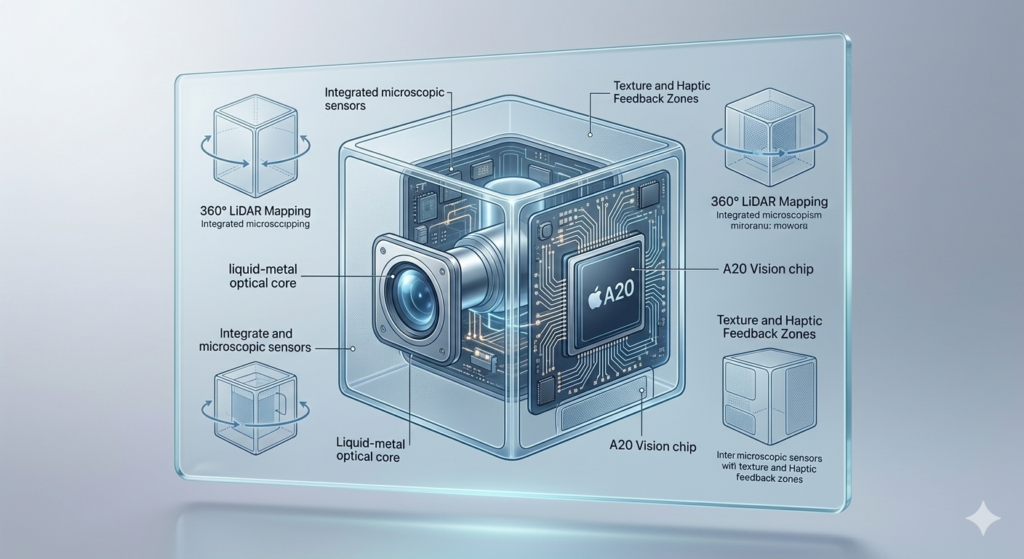
| Physical Gestures | The cube can tilt, rotate, and “pulse” to mimic human-like attention. |
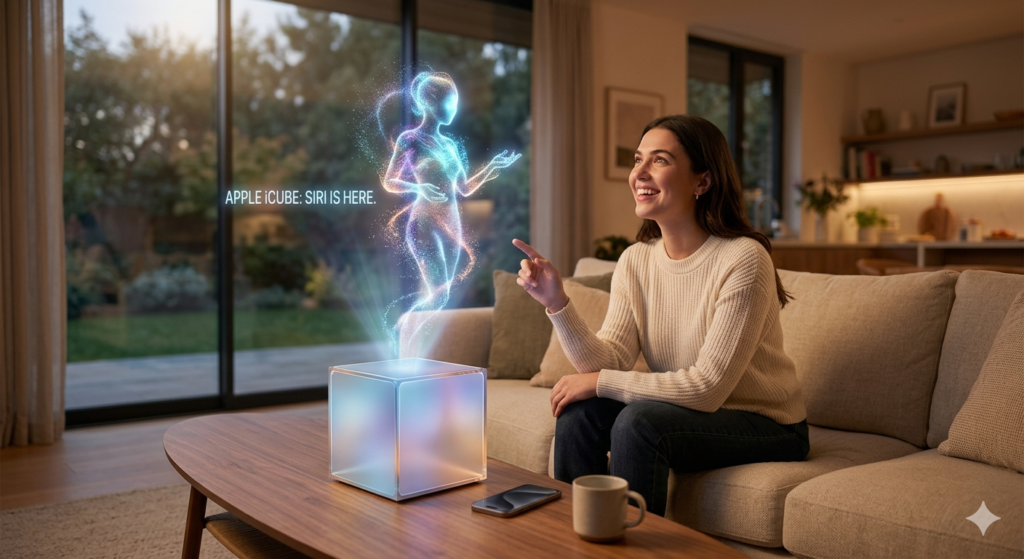
| Holographic Core | A 360-degree internal projection system makes Siri look like a living, breathing entity. |
| Visual Intelligence | Powered by the A20 “Vision” chip, it uses spatial sensors to “see” you and recognize your gestures. |
| Dynamic Skin | The surface changes texture—becoming smooth when “calm” and vibrating when “alert.” |
Beyond the Voice: Why “Physical” Matters
For over a decade, Siri has been a disembodied voice in our pockets. With iCube, Apple is betting on Social AI.
- Spatial Awareness: If you walk into a room, the iCube doesn’t just wait for a “Hey Siri.” It physically turns to face you, acknowledging your presence with a subtle glow.
- Contextual Interaction: Point at a lamp and say, “Turn that on,” and the iCube’s internal cameras (the same tech rumored for the upcoming Apple AI Pin) track your finger to execute the command.
- The “Personality” Factor: Apple has moved away from the robotic monotone. iCube uses Apple Intelligence 2.0 to analyze the room’s mood. If you’re stressed, its light softens to a warm amber; if you’re in a hurry, its responses become snappy and efficient.
The Tech Under the Hood
The iCube isn’t just a toy; it’s a processing powerhouse. It reportedly runs on a modified version of “Charismatic OS”—the same operating system Apple is developing for its future tabletop robots.
- Privacy First: In classic Apple fashion, the “eyes” of the iCube don’t record video. Instead, they process “spatial wireframes” locally, ensuring your home stays private while the AI stays smart.
- Gemini Integration: Following Apple’s 2026 partnership with Google, the iCube’s “brain” is fueled by a custom version of Gemini 3, allowing for deep, multi-turn conversations that actually feel human.
Apple Just Shocked Everyone with iCube – First AI Device That Turns SIRI Physical
Is This the “iPhone Moment” for the Home?
Critics are already calling the iCube a “solution looking for a problem,” much like they did with the original Apple Watch. However, early testers suggest that having a physical point of contact for AI makes technology feel less like a tool and more like a companion.
By turning Siri physical, Apple isn’t just selling a smart speaker; they are selling the first “member” of your digital family.
“The iCube isn’t a computer you use; it’s a presence you live with.” — Rumored internal Apple marketing slogan.
The $599 Earthquake: How Apple’s New MacBook Neo Just Broke the Windows Market
You may join my Twitter Account for more news updates, Wordle, and more game answers & hints daily.